
AI Foundation
AI Foundation builds a clear understanding of how modern AI works and how it affects real decisions. Learners begin with what AI is and where it appears in everyday systems, then learn how machine learning uses training data and trial and error to make predictions. The course explains how neural networks learn through weights and layers, how computer vision interprets pixels to recognize objects, and how large language models generate text using probability based next token prediction and context. The course ends with AI ethics, focusing on trust pillars and responsible use so learners can state one risk and one safeguard using a concrete example.
-
5 Lessons

-
Fundamental

-
2 hours 15 minutes

- Category AI


AI Foundation builds a clear understanding of how modern AI works and how it affects real decisions. Learners begin with what AI is and where it appears in everyday systems, then learn how machine learning uses training data and trial and error to make predictions. The course explains how neural networks learn through weights and layers, how computer vision interprets pixels to recognize objects, and how large language models generate text using probability based next token prediction and context. The course ends with AI ethics, focusing on trust pillars and responsible use so learners can state one risk and one safeguard using a concrete example.
- AI literacy
- Data quality thinking
- Bias detection basics
- Model prediction reasoning
- Neural network fundamentals
- Computer vision intuition
- Responsible AI checklist
- Describe where AI appears in everyday systems and the decisions it influences.
- Explain machine learning as learning patterns from data to make predictions through repeated feedback.
- Describe what training data is, where it comes from, and why coverage affects performance.
- Identify how bias can occur in training data and state one real impact on outcomes.
- Explain neural networks at a high level and describe how feedback changes weights.
- Explain how computer vision detects edges and shapes and scales to complex recognition.
- Apply a basic trust checklist using fairness, explainability, robustness, transparency, and privacy, and state one risk and one safeguard.
- Beginner friendly language
- Mobile first layout
- Short recap flipcards
- Inclusive scenario examples
- Privacy aware learning
Lessons
-
-
-
What is AI?4 Sections 25 minutes
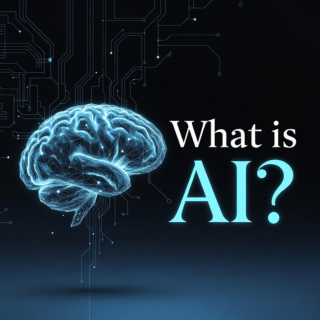
What is AI defines artificial intelligence as a set of techniques that enable computers to perceive inputs, learn from data, make predictions or decisions, and generate outputs for specific tasks. It also clarifies the boundary between today’s narrow AI and human level general intelligence, helping learners understand both current capabilities and limitations.
1 video 1 reading 1 assignment -
Brief History of AI3 Sections 30 minutes
Brief history of AI explains how the field evolved from early rule based and logic driven programs to data driven machine learning, deep learning, and today’s foundation models. Understanding this evolution helps learners separate hype from capability, see why breakthroughs happened, and anticipate where current trends like generative and agentic systems may realistically lead.
1 assignment -
How AI Works8 Sections 1 hour
How AI works explains the core mechanics behind modern systems, including how machine learning learns patterns from training data, how neural networks improve by adjusting weights through feedback, and how models generalize to new situations. It also clarifies how large language models generate text by predicting the next token using probabilities, and why data quality and evaluation determine reliability.
7 readings 1 assignment -
AI Ethics3 Sections 20 minutes
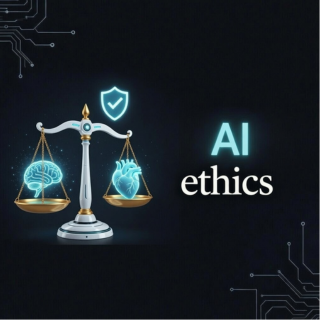
AI ethics focuses on how to design and use AI systems so they are fair, safe, transparent, and privacy respecting, especially when they influence real decisions in areas like hiring, lending, healthcare, and education. It equips learners to identify risks such as bias, weak explainability, and misuse, and to apply clear trust principles and governance practices before deployment.
1 assignment -
SkillUp AI Challenge1 Section 0 minutes
Participate in SkillUp AI challenge and stand a chance to win an I Pad.
1 reading
-
Instructor

-
 0 reviews
-
 806 students
-
 1 course